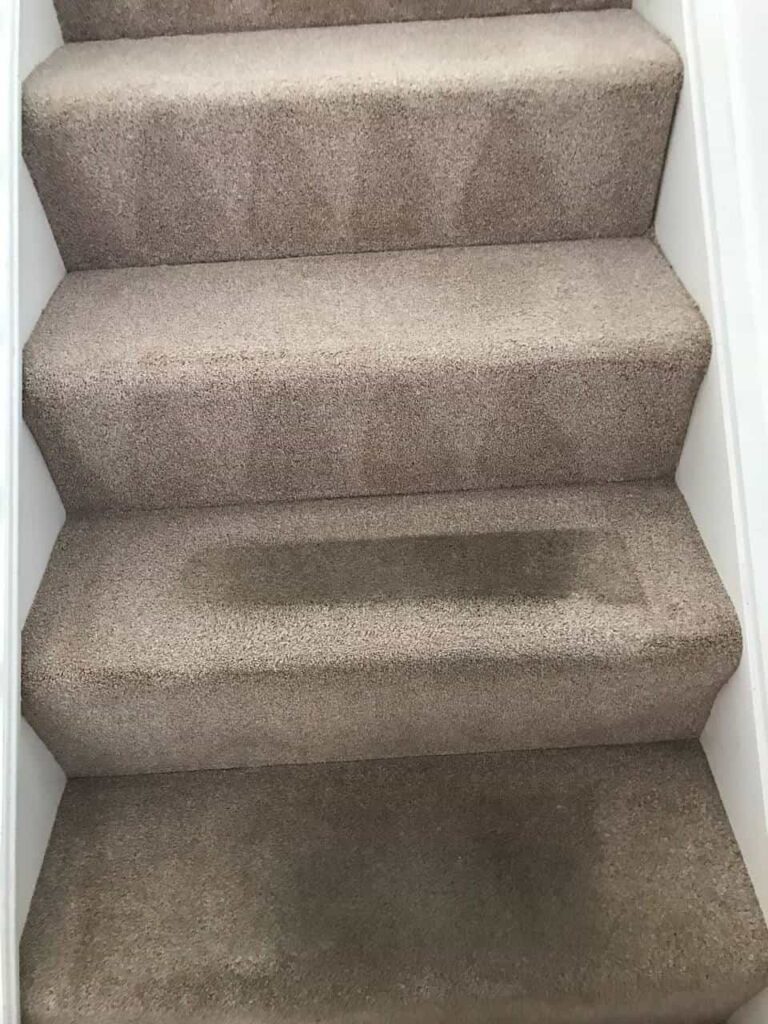
Carpets can gradually lose their full, even appearance as fibres become compressed by foot traffic, furniture and accumulated soil. Hallways, entrances and routes between frequently used rooms are often the first places where the pile begins to look flat.
Professional carpet cleaning may help lift and separate compressed fibres, particularly when trapped dirt or sticky residues are contributing to the problem. However, the result depends on the carpet’s construction, fibre type and level of wear. For households in Sandwich, Cambridgeshire, a professional assessment can establish whether cleaning is likely to improve the carpet or whether some flattening is permanent.
How Professional Cleaning Can Improve Flattened Carpet Fibres
Professional cleaning does more than remove visible marks. The process can loosen compacted soil, release fibres that have become stuck together and restore a cleaner, more uniform pile.
Cleaning cannot rebuild fibres that are permanently damaged, but it can reveal how much of the flattened appearance is caused by contamination rather than physical wear.
Why Carpet Fibres Become Flat
Regular foot traffic applies repeated pressure to the carpet pile. Fine grit and dry soil work their way between the fibres, where they can make the pile feel stiff and prevent it from returning to its original position.
Spillages and cleaning-product residue may also bind fibres together. As more soil attaches to these sticky areas, the carpet can appear matted or darker than the surrounding surface.
Common causes of flattened carpet fibres include:
- Frequent foot traffic
- Heavy furniture
- Embedded dry soil
- Sticky spill residues
- Infrequent deep cleaning
- Inappropriate cleaning products
- Natural wear within older fibres
- Insufficient or worn underlay
Identifying the cause helps determine whether professional cleaning is likely to produce a noticeable improvement.
Removing Embedded Soil
Vacuuming is important for routine maintenance, but it cannot always remove particles that have settled deep within the carpet pile. These particles can restrict fibre movement and contribute to a dull, compressed appearance.
Professional equipment is designed to loosen and extract more deeply embedded contamination. Once the soil has been removed, fibres may separate and stand more freely.
The difference can be especially noticeable in areas that appear darker because of accumulated dirt rather than permanent discolouration.
Treating Sticky Residues
Residues left by spillages or unsuitable cleaning products can cause fibres to clump together. These areas often attract fresh dirt quickly, making the carpet look flattened again soon after vacuuming.
A professional cleaner can select a treatment suited to the carpet and type of contamination. Proper rinsing and extraction help remove both the soil and the residue holding it within the pile.
Using the correct product is important because excessive detergent can leave the carpet feeling stiff and encourage rapid resoiling.
Agitation and Carpet Grooming
Depending on the carpet, controlled agitation may be used to work the cleaning solution through the pile and loosen compacted contamination. After extraction, professional grooming can help align the fibres and support a more even appearance as the carpet dries.
This stage should be performed carefully. Different carpet constructions respond differently to brushing, so the method must suit the material rather than relying on aggressive treatment.
The Importance of Controlled Moisture
Applying too much moisture can cause avoidable problems, particularly if the carpet dries slowly. Effective professional cleaning balances sufficient rinsing with thorough extraction.
Removing as much moisture as practical supports faster drying and reduces the likelihood of fibres remaining compressed. Correct ventilation after cleaning also helps the carpet settle into its finished condition.
Can Furniture Indentations Be Removed?
Furniture legs place concentrated pressure on small areas of carpet. If the fibres are merely compressed, cleaning and careful grooming may reduce the indentation.
Deep or long-standing marks may not disappear completely. The underlay can also compress beneath heavy furniture, leaving a depression that cleaning alone cannot correct.
Moving furniture periodically and using suitable furniture cups can help distribute weight more evenly and reduce future indentation.
When Flattening May Be Permanent
Not every flattened area can be restored through cleaning. Fibres may become permanently distorted after years of heavy use, particularly in busy walkways.
Signs that the problem may involve lasting wear include:
- Fibres remaining flat after thorough cleaning and drying
- Frayed or split fibre ends
- Clearly defined traffic lanes
- Exposed carpet backing
- Loss of pile in localised areas
- A compressed or deteriorated underlay
- Permanent distortion caused by prolonged furniture pressure
Professional cleaning can still remove soil and improve the carpet’s cleanliness, but it should not be expected to replace missing or physically damaged fibres.
Different Carpets Respond Differently
Wool, nylon, polypropylene and other carpet fibres have different characteristics. Pile density, twist and construction also affect how well a carpet recovers from compression.
A dense, well-constructed carpet may respond well if soil is the main cause of flattening. A heavily worn carpet with damaged fibres is less likely to regain its original texture.
Testing the carpet and choosing the appropriate cleaning method helps protect its appearance while producing the best realistic result.
How to Reduce Future Flattening
Regular care can help maintain the carpet pile after professional cleaning. Useful steps include:
- Vacuuming frequently in high-traffic areas
- Treating spillages promptly
- Avoiding excessive household detergent
- Rotating movable furniture occasionally
- Using entrance mats to reduce tracked-in grit
- Rearranging walking routes where practical
- Arranging deep cleaning before heavy soiling develops
Preventative care is generally more effective than waiting until the fibres have become heavily compacted.
Why a Professional Assessment Matters
A carpet may appear flattened because of soil, residue, wear or a combination of all three. Examining the fibre type, pile condition and affected areas allows the most suitable cleaning process to be selected.
A professional cleaner should also explain the likely outcome before work begins. This provides a realistic distinction between flattening that can be improved and permanent wear that cleaning cannot reverse.
Conclusion
Professional cleaning can lift flattened carpet fibres when embedded soil, sticky residue or light compression is preventing the pile from recovering. Deep extraction, suitable agitation and careful grooming can improve texture and create a cleaner, more even appearance.
Results depend on the condition and construction of the carpet. Fibres affected by permanent wear or damaged underlay may not fully recover. K&S Carpet Cleaning Sandwich can assess your carpet and recommend an appropriate cleaning method. Contact our team to arrange professional carpet cleaning in Sandwich, Cambridgeshire.
Call us on: 01304 796 897
Click here to find out more about K&S Carpet Cleaning Sandwich
Click here to complete our contact form and see how we can help with your carpet needs.